Commercial Waste Removal in Wanstead for regular and one-off clearances

Commercial waste removal in Wanstead should be straightforward, tidy and suited to the way local businesses work. We provide a practical service for offices, shops, workshops, hospitality premises and managed buildings that need waste taken away without disrupting the day. The focus is on removing unwanted material responsibly, keeping collections organised and helping customers choose the right type of clearance for the volume and mix of waste involved.
Our service covers a range of non-domestic waste streams, including general business waste, office items, furniture, fixtures and selected specialist loads where the material is suitable for separate handling. Where needed, we can discuss commercial waste removal alongside related clearances such as office waste, furniture disposal and business waste collections, so the work matches the job rather than forcing everything into one pattern. If you need a quotation, use the contact details on the site and tell us what needs removing.
For businesses that want a clear starting point, it helps to think in terms of access, waste type and timing. A small back-office tidy-up needs a different approach from a full premises clearance, and a recycling-heavy load is handled differently from mixed residual waste. Choosing the right service keeps the process neat and reduces avoidable delays. You can also look at our pricing and quotes page for more information about how enquiries are prepared.
Business waste collections for day-to-day premises
Business waste collections are designed for the ordinary stream of waste that accumulates in working premises. That may include packaging, mixed office rubbish, unwanted stock packaging, broken small items and general refuse from staff areas or customer-facing spaces. The aim is to create a simple, predictable arrangement that removes waste without leaving it to build up or interfere with operations. We can support firms that need a regular or occasional collection, depending on how much material is produced.
Where the load is mainly commercial refuse, the work is usually more about organisation than heavy lifting. Separating reusable items, recyclable material and true waste can make the collection easier to process. If you already know that the job is mainly a routine clear-out, our business waste removal page gives a useful overview of that service. For larger or mixed premises, it may also be worth comparing the general waste removal option so the scope is clear before you request a quotation.
What makes a collection suitable
A suitable business waste collection is one where the material can be described clearly in advance. That helps with access, vehicle choice and handling. It also makes it easier to decide whether the job is a straightforward collection, a partial clearance or a wider premises tidy-up. If items include desks, chairs, shelving or reception furniture, the service may need to be shaped around those objects rather than treated as ordinary rubbish. Clear information at the outset usually leads to a better-matched service.
Office and workplace clearances

Office clearances are useful when workspaces are being reorganised, vacated or stripped back to a different layout. Typical items can include desks, task chairs, filing cabinets, pedestals, meeting tables, screens, archive material and small electrical items where they are appropriate for separate removal. The work can be limited to one room or extend across several areas, depending on the size of the workplace and the amount of furniture or equipment involved. In every case, the goal is to remove the items in a sensible order.
Where an office contains a mixture of furniture and general waste, a clearer plan helps the clearance stay efficient. The job might involve separating heavy items from loose bagged waste, identifying anything that needs special handling and deciding whether some material is better suited to disposal than reuse. If the requirement is mainly furniture-led, the office clearance page is the closest fit. If the work is lighter and mostly focused on desks, chairs and partitions, the furniture clearance page may be more relevant.
For many customers, the main decision is whether the premises need a full reset or just a targeted removal. We can work from a short instruction or a more detailed list, provided the waste is described accurately. Keep access routes clear where possible, and note any lifts, stairs or restricted hours that affect removal. That kind of practical detail helps avoid confusion and keeps the collection moving in the right order.
Furniture disposal and bulky item handling
Furniture disposal covers bulky items that are awkward to move and difficult to manage through ordinary refuse channels. This can include office desks, cupboards, shelving, tables, chairs, sofas and other large furnishings that need lifting, loading and removal from the premises. The service is useful for customers who are upgrading interiors, emptying storage areas or dealing with a mix of old and damaged furniture that no longer has a place in the building.
Some loads are straightforward because they consist of one type of furniture. Others need a more careful sequence because the items are mixed with packaging, broken fittings or loose waste. If the material is mostly domestic-style furnishings from business premises, the furniture disposal page gives a relevant route through the options. Where upholstered items are involved, the mattress and sofa disposal page may be useful for more specific clearance needs.
Furniture work often benefits from a brief note about condition and quantity before collection is arranged. That helps with handling expectations and can make it easier to match the service to the item profile. Heavy items and awkward shapes can take more time than flat-pack pieces, so it is sensible to mention anything that may need extra care. If you are preparing an enquiry, a few photos and a simple list are often enough to start the conversation.
Site-sensitive removals and restricted-access jobs

Some commercial waste removal work is more complicated because the premises are occupied, shared or difficult to access. A job in a managed office block, upper-floor workspace or narrow retail unit may require tighter coordination than a simple ground-floor collection. We can help with clearances that need sensible planning around entrances, loading points, lifts, stairways or shared corridors, provided the waste type is suitable for removal and the access is described accurately.
Restricted-access work is usually easiest when the customer identifies the items, the collection point and any constraints in advance. That lets the job be planned around the actual space rather than a guess. If the premises are undergoing a refit or strip-out, the builders waste clearance page may be relevant for mixed debris from work being carried out on site. Where the emphasis is on household-style contents from a business property, the home clearance and house clearance pages can also help indicate the right clearance shape.
It is sensible to be specific about anything that changes the removal method, such as stepped access, key-fob entry, concierge arrangements or a narrow parking window. These details do not need to be exhaustive, but they do help build a practical plan. One clear list of items is often better than several vague messages, especially when the load includes both loose waste and bulky pieces. If something feels uncertain, describe it plainly and ask for guidance.
Office contents, shredding and secure disposal choices
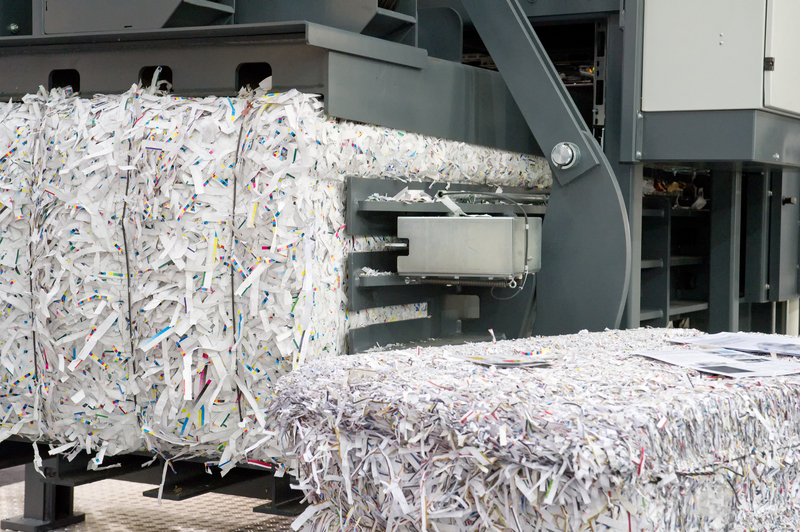
Commercial clearances are not always about visible furniture. Many workplaces also need help with files, archived paperwork and items that should not simply be mixed into general waste. For those situations, secure disposal choices matter. Confidential shredding is useful when paperwork must be destroyed rather than stored, and it can sit alongside an office clearance or broader business waste collection where the items are suitable for separate handling. The service should be described carefully so the right method is used.
If your job includes paper records, locked cabinets or other sensitive material, it is worth identifying that at the quotation stage. That way the clearance can be organised around the contents and not just the container. You can review the confidential shredding page if document destruction is part of the requirement. For customers who want to understand how items are handled more widely, the recycling and sustainability page explains the company’s general approach to recovered material and disposal choices.
- Office desks, chairs and storage units removed from working spaces
- Paper records and files set aside for secure destruction where required
- Loose commercial waste kept separate from reusable or recyclable items
- Mixed premises clearances arranged around access and operating hours
Household-style clearances from business premises
Some commercial addresses contain items that look more like household contents than ordinary office waste. That can happen in properties with staff accommodation, temporary use, showrooms, studio spaces or mixed-purpose buildings. In these cases, a commercial waste removal service still needs to be matched to the actual contents. Sofas, wardrobes, beds, loose furnishings and general domestic clutter may need a different approach from desks and filing units, even when the job is carried out at a business address.
For mixed contents, it helps to separate what is definitely waste from anything that might be moved, reused or sold elsewhere. That keeps the collection focussed and avoids unnecessary handling. The flat clearance and loft clearance pages are useful references when the contents are more domestic in character, while the garage clearance page suits storage-heavy spaces with boxes, tools and assorted items. The right page depends on what is actually being taken away.
Commercial customers sometimes prefer this type of clearance when they are clearing a mixed-use property and need the work to be tidy as well as practical. A short inventory is helpful, especially where contents are spread across several rooms or storage areas. What matters most is that the description matches the load, so the removal can be planned without assumptions. That approach makes the job easier to handle and easier to quote for.
About Wanstead

Wanstead is an area in north-east London within the London Borough of Redbridge, known for its strong village feel and its position close to the edge of Epping Forest. The name is often associated with Wanstead High Street, a long local centre with shops, services and everyday amenities set within a largely residential landscape. The area has a history that reaches back well before modern suburban development, and its character reflects the layers of woodland edge, estate landscape and later urban growth that shaped this part of London. Wanstead House, once an imposing country residence, no longer survives in its original form, but the wider district still carries traces of older landownership and designed landscape. Wanstead Park, now part of Epping Forest, includes lakes, tree-lined paths and historic features linked to the former estate. Christ Church on the green is another familiar landmark, providing a strong focal point within the local centre. The area also includes open spaces such as Wanstead Flats, which form part of the wider forest edge and are used for walking, sport and quiet recreation. Transport connections have helped shape the area’s development, while the mix of period housing, local parades and green spaces gives Wanstead a distinct identity compared with surrounding districts. The result is a place where residential streets, green corridors and a busy high street sit close together, creating a setting that feels both urban and outward-looking.
Waste types, sorting and responsible handling
Good commercial waste removal depends on sorting the load properly before it leaves the premises. Different materials may need different handling, and some items are better kept apart because of their size, composition or condition. That is especially true where a clearance includes a mixture of office furniture, loose rubbish, damaged stock and recyclable material. The clearer the sorting, the easier it is to process the collection in a responsible way and the less likely it is that useful material gets lost in a general pile.
Some loads are best described by what they contain rather than by the room they came from. For example, appliances and certain bulky items are better handled as specific categories, while ordinary refuse can be grouped more broadly. If white goods form part of the job, the fridge and appliance removal page is a more accurate reference. For premises generating unusual or higher-risk waste, the hazardous waste disposal page indicates the separate treatment such material requires.
Sorting also helps customers decide whether a clearance should be split into stages. A building may need a furniture removal first, followed by a lighter waste sweep once the bulkier objects have gone. That can make the overall project easier to organise. When you ask for a quotation, include the rough mix of materials if you can. A simple description such as furniture, bagged waste and a few small appliances is often enough to produce a clearer response.
Pricing factors and quotation details

Pricing for commercial waste removal is usually shaped by practical factors rather than a single fixed rule. The type of waste, its volume, how much lifting is involved and the ease of access all affect the level of work required. A small, tidy collection from one room is not the same as a multi-area clearance with stairs, bulky furniture and a mixture of materials. The more accurate the description, the easier it is to prepare a sensible quotation.
It is helpful to tell us whether the waste is already gathered, whether it is spread through several rooms, and whether there are any items that need special handling. If you are collecting the information for a quote, one short list is often enough: item types, approximate quantity, floor level and any access notes. You can also use the book online page if you want to send the details through the site. For customers who prefer to check service boundaries first, the about us page provides general company information.
As a final step, make sure the description reflects the actual job rather than a best guess. That saves time on both sides and helps the service fit the premises properly. If you are ready to move on, request a quotation and tell us what needs removing. A concise enquiry is usually all that is needed to start the process, and we can then discuss the most suitable collection option for your waste.