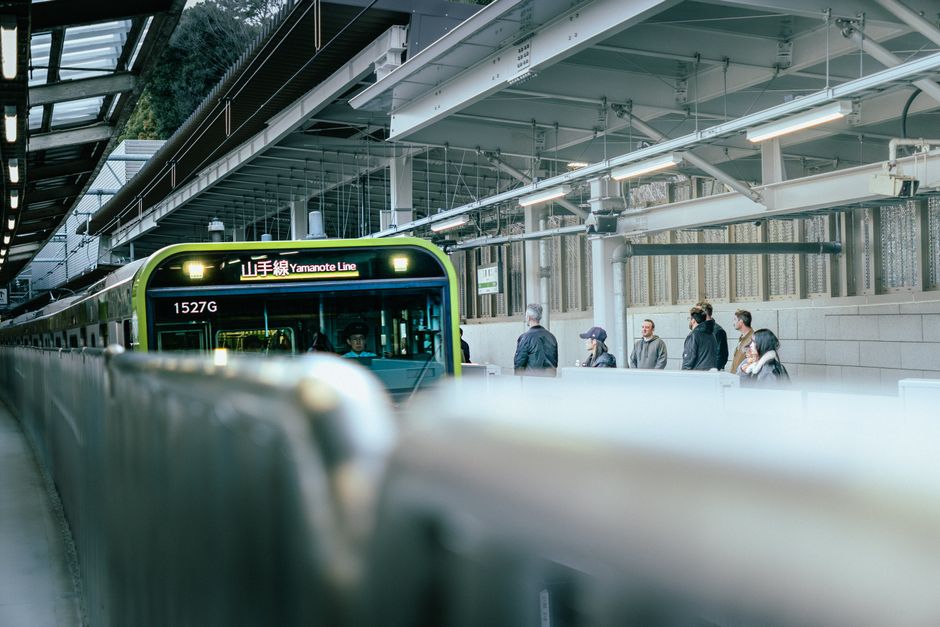
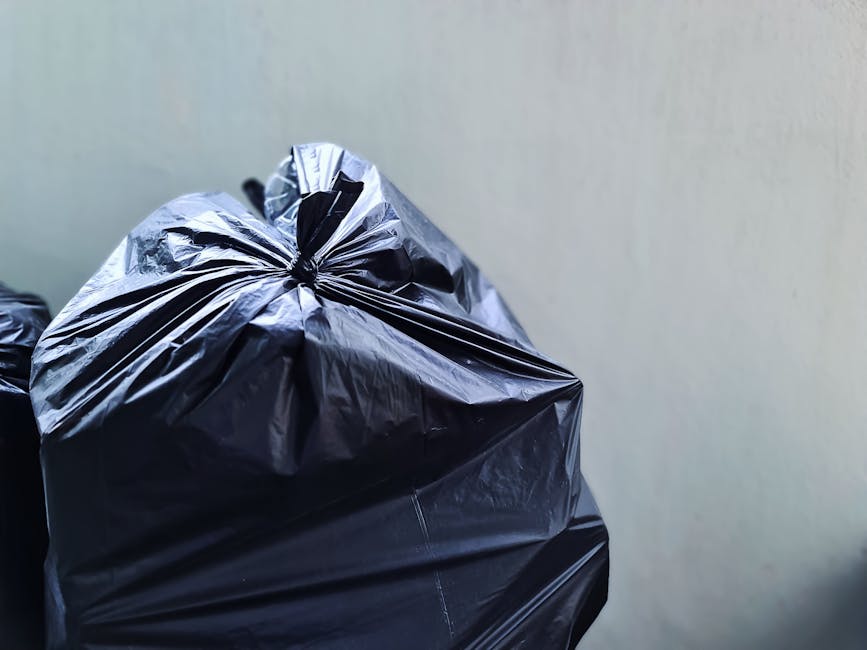
Snaresbrook station rubbish collection tips for commuters
If you commute through Snaresbrook, you already know how quickly a small bit of litter can turn into a bigger problem. A coffee cup on the seat, a food wrapper in a coat pocket, a leaking sandwich box in a tote bag - by the time you reach the station, the whole thing can feel awkward and slightly grim. This guide to Snaresbrook station rubbish collection tips for commuters is here to make that routine easier, cleaner, and far less stressful.
The aim is simple: help you manage waste properly before, during, and after your journey, so you stay tidy on the move and avoid leaving extra rubbish behind for staff or other passengers. It is not glamorous, let's face it, but it matters. And a few small habits can make a noticeable difference.
In this article, you will find practical commuting advice, a step-by-step routine, common mistakes to avoid, a comparison of disposal options, and a realistic checklist you can use tomorrow morning. If you want a broader waste service context too, you may also find our pages on waste removal and recycling and sustainability useful later on.
Table of Contents
- Why Snaresbrook station rubbish collection tips for commuters matters
- How Snaresbrook station rubbish collection tips for commuters works
- Key benefits and practical advantages
- Who this is for and when it makes sense
- Step-by-step guidance
- Expert tips for better results
- Common mistakes to avoid
- Tools, resources and recommendations
- Law, compliance, standards, or best practice
- Options, methods, or comparison table
- Case study or real-world example
- Practical checklist
- Conclusion
- Frequently asked questions
Why Snaresbrook station rubbish collection tips for commuters Matters
Snaresbrook station sits inside a busy everyday rhythm: early-morning commuters, school runs, delayed trains, quick exits, and that constant in-between feeling where nobody really has time to stop and sort their waste properly. That is exactly why small rubbish habits matter here. When commuters know what to do with wrappers, cups, napkins, and takeaway packaging, the whole station feels calmer and cleaner.
There is also a practical side. Loose litter attracts more litter. A half-crushed cup left near a bench can tip over. A greasy bag in a pocket can leak onto clothes or bags. If you have ever had a bus or tube connection after your train, you will know how one messy item can turn into a minor morning disaster. Bit of a nuisance, really.
Good rubbish collection habits are not just about being neat. They also help reduce contamination in recycling, prevent blocked bins, and keep platforms and entrances easier to manage for station staff. That matters in the rain, in winter, and during those cramped peak-time windows when everyone is moving quickly and nobody wants to dodge an overflowing bin.
Expert takeaway: The best commuter rubbish routine is not complicated. It is usually the one you can repeat without thinking: carry waste safely, separate it where appropriate, and dispose of it at the first sensible opportunity.
How Snaresbrook station rubbish collection tips for commuters Works
At commuter level, rubbish collection is less about formal collection rounds and more about personal waste handling in a public transport setting. In plain English, it means planning for the waste you generate on your journey, keeping it contained, and choosing the right bin or disposal option when you reach one.
For most commuters, that routine looks like this:
- Bring less waste onto the journey in the first place.
- Keep unavoidable waste sealed or bagged.
- Use station bins responsibly if they are available and appropriate for the item.
- Take unsuitable waste home or to a proper disposal point.
It sounds basic, and it is. But basic is often what works. A commuter carrying a takeaway coffee, a paper receipt, a snack wrapper, and a used tissue only needs a small system: one pocket for clean items, one small bag for waste, and a habit of not dropping things into the nearest bin unless the item is allowed there. That last bit matters more than people think.
If you are a regular traveller, especially from Monday to Friday, the best system is the one that fits the flow of your morning. You do not need a dramatic setup. You need a reliable one. A resealable bag in your rucksack often does the job, honestly.
Key Benefits and Practical Advantages
Following sensible rubbish collection tips around Snaresbrook station gives you more than a cleaner commute. It saves time, reduces stress, and helps you avoid those annoying little mishaps that derail a morning before it has properly started.
- Cleaner bags and coats: Contained rubbish is less likely to stain or smell.
- Faster travel: You are not fiddling around looking for a bin at the last second.
- Better station etiquette: You help keep shared spaces pleasant for everyone.
- Reduced contamination: If waste is separated properly, recycling systems are less likely to be spoiled.
- Less faff at home: If you already sort items on the journey, emptying your bag later is easier.
There is also a quieter benefit. When your commute feels orderly, the rest of the day often follows suit. No one is pretending a paper cup can change your life, but a tidy routine can stop small irritations piling up.
And to be fair, commuters are often making decisions in a hurry. A simple waste habit removes one more decision from the list. That alone is worth it.
Who This Is For and When It Makes Sense
This advice is useful for a wide range of commuters, not just the ultra-organised ones with colour-coded backpacks. If you travel through Snaresbrook station a few times a week, or even just occasionally, you will probably recognise at least one of these situations.
- Office commuters with breakfast packaging, coffee cups, or sandwich wrappers.
- Parents and carers carrying snacks, tissues, and small bits of mess.
- Students with drinks, food packaging, or paper handouts.
- Contractors and tradespeople making early starts with site waste or lunch waste.
- Hybrid workers who commute less often and may be out of practice.
It also makes sense if you regularly carry items that create awkward waste: wet wipes, banana skins, fruit peels, disposable cutlery, or packaging from a hot breakfast. Those items are harmless enough on their own, but they become awkward fast if they are left loose in a pocket or bag.
If you have ever reached the station and realised you are carrying a sticky bottle lid with nowhere obvious to put it, you already know why this topic matters. The trick is not perfection. It is preparation.
Step-by-Step Guidance
If you want a routine that actually works, keep it simple. Here is a practical commuter approach you can use straight away.
1. Start with less waste
The easiest rubbish to manage is the rubbish you never create. Choose reusable bottles, keep a snack box in your bag, and avoid over-packaged breakfast items where possible. You do not need to become a minimalist overnight. Just reduce the obvious stuff.
2. Carry a small waste bag
A tiny resealable bag, paper bag, or even a dedicated pocket pouch is enough for wrappers and tissues. This stops loose bits from floating around your bag. It also keeps smells down, which becomes important on warmer days. No one wants a coffee-and-crisp aroma building up on the Central line platform.
3. Separate dry and messy items
Dry waste like receipts, paper wrappers, and cardboard is easier to manage than wet waste such as half-finished food or used napkins. Keep them apart if you can. Once mixed, everything gets grim much faster.
4. Use station bins carefully
If a bin is available and suitable, use it. If it is full, overflowing, or clearly not intended for your item, do not force it. A jammed bin causes more mess than a brief delay ever will. Sometimes the best decision is to take the item home. Slightly boring, yes. Still the right move.
5. Check for recycling opportunities later
Some items can be recycled, but only if they stay clean enough. If your packaging is coated in food or liquid, it may no longer be suitable. That is why many commuters keep recyclables separate until they are home or at a proper disposal point.
6. Empty your commuter bag daily or weekly
Do not let rubbish accumulate. A quick empty-out at home stops smells, spills, and forgotten items. Every Friday evening, for example, is a decent reset point. Two minutes. Done.
7. Handle bulky or unusual waste outside the commute
If you have larger items, broken appliances, old furniture, or office waste, that is not commuter rubbish. It needs a proper disposal route. For bigger household or workplace clear-outs, services such as home clearance, office clearance, or fridge and appliance removal are far more suitable than trying to shoehorn everything into a station bin, which would be a terrible idea anyway.
Expert Tips for Better Results
The difference between an average commuter waste routine and a really good one is usually the small stuff. Not dramatic, not expensive. Just thoughtful.
- Keep one bag for clean items and one for waste: This makes sorting quicker later.
- Use pocket lint as a warning sign: If your bag is already full of crumbs and receipts, it is time to reset it.
- Choose spill-proof lids: Coffee leaks are common, and they are one of the fastest ways to ruin a commute.
- Do a "platform check" before boarding: A quick glance saves embarrassing backtracking.
- Think about smell as well as appearance: Food waste and wet tissue do not take long to become noticeable.
One of the best tricks is to keep a folded paper napkin in an outer pocket just for temporary waste handling. It sounds oddly specific, but commuters who do it tend to stay tidier. A small thing. A useful thing.
If you are dealing with regular business waste rather than personal rubbish, it may be worth looking at business waste removal instead of relying on ad hoc disposal. That way your staff or office routine is not improvising every day.
And yes, sometimes the smartest tip is simply this: do not buy the extra pastry if you already know you will be juggling three bags and a laptop. We have all been there.
Common Mistakes to Avoid
Most commuter rubbish problems come from rushing, not bad intent. Still, a few mistakes crop up again and again.
- Using the nearest bin without checking: Overflowing bins create more mess than they solve.
- Mixing liquids with dry waste: Once dampness spreads, everything becomes harder to manage.
- Leaving food waste loose in a backpack: This is how odours and stains happen.
- Assuming all packaging is recyclable: Food contamination changes the answer.
- Trying to discard bulky items at the station: Large waste belongs in a proper collection route.
- Forgetting sharps, batteries, or chemicals require special handling: Those are not normal commuter waste items.
Another common slip is to think, "It's just one wrapper." One wrapper is fine. Fifty commuters thinking that way at the same time is how stations end up messy by lunchtime. Not exactly rocket science, but still easy to forget on a busy morning.
Tools, Resources and Recommendations
You do not need a full system overhaul to handle commuter rubbish well. A few low-effort tools can make the whole thing easier.
| Tool or option | Best for | Why it helps |
|---|---|---|
| Small resealable bag | Wrappers, tissues, receipts | Keeps loose waste contained and separate |
| Reusable bottle or cup | Hot drinks and water | Reduces single-use packaging on the commute |
| Compact tote or backpack insert | Mixed commuting items | Helps prevent spills and clutter inside the bag |
| Home sorting bin | End-of-day waste sorting | Makes it easier to separate recycling from general waste |
| Proper clearance service | Large or awkward items | Better than trying to manage non-commuter waste by hand |
For larger household jobs, the most practical routes are often flat clearance, house clearance, or loft clearance. If your issue is more about old furniture than day-to-day commuting waste, furniture disposal and mattress and sofa disposal are more realistic options than trying to move heavy items on public transport. Thank goodness, really.
Law, Compliance, Standards, or Best Practice
Commuters generally do not need to study waste law to do the right thing, but it helps to follow a few sensible UK best practices. Public spaces and transport environments rely on proper disposal, and some materials need extra care. If you are carrying something potentially hazardous, such as chemicals, sharps, or electronics with damaged parts, do not treat it like everyday litter.
The safest rule is simple: if it could leak, cut, irritate, smell strongly, or contaminate other waste, it deserves separate handling. For household or work-related items that need specialist treatment, services like hazardous waste disposal are far more appropriate than a station bin. Likewise, confidential papers should not be thrown into ordinary waste if they contain sensitive data; confidential shredding is the more careful route.
For service providers and business users, it is also sensible to check the company's approach to health and safety policy, insurance and safety, and recycling and sustainability. Those pages help set expectations around responsible handling, which is exactly what you want when waste is more than just a coffee cup.
One more point. If you are ever unsure whether something can go in a skip or mixed waste load, check the rules first. The page on what can go in a skip is a useful starting point. Saves hassle later.
Options, Methods, or Comparison Table
Not every rubbish problem around a station should be handled the same way. Here is a simple comparison of the most common options commuters and nearby residents tend to use.
| Option | Best use case | Pros | Limitations |
|---|---|---|---|
| Carry waste home | Small everyday litter | Easy, cheap, reliable | Needs a little patience |
| Use station bin | Approved small items | Quick and convenient | Not suitable for all waste, and bins can be full |
| Reuse and reduce | Routine commuters | Less waste overall | Requires a slight habit change |
| Book a clearance service | Bulky or accumulated items | Proper handling, less stress | Not a same-day commute solution |
For commuters, the first two options are usually the main ones. For households, landlords, or small businesses near the station, the third and fourth become more relevant. That is where services like furniture clearance, builders waste clearance, or garage clearance can save a lot of effort.
Case Study or Real-World Example
A very ordinary example: a commuter leaves Snaresbrook station each morning with a coffee, a cereal bar, and a folded newspaper. By 8:45, they have a cup lid, a wrapper, a receipt, and a napkin. Before, those items would sit loose in the side pocket of a bag until lunchtime, which meant crumbs, a stained receipt, and the occasional mystery smell. Charming.
After changing the routine, they keep a small resealable bag in the same pocket every day. Dry items go in first. The coffee cup goes in only once it is empty and secure. At home, the bag gets emptied into the correct bins straight away. The result is not dramatic, but it is obvious: the commuter's bag stays cleaner, the station journey feels less clunky, and they stop dumping little bits of waste into random bins when they are late.
That is the point. Small system, small effort, steady improvement. Not glamorous. Very effective.
Practical Checklist
Use this quick checklist before your next commute through Snaresbrook:
- Have I reduced the amount of packaging I am carrying?
- Do I have a small bag for wrappers, tissues, and receipts?
- Is my drink container sealed properly?
- Have I kept wet waste separate from dry waste?
- Do I know what can be put in a bin and what should be taken home?
- Have I checked my bag before leaving the station or train?
- Do I need a separate disposal route for bulky, sharp, or hazardous items?
- Is there anything in my bag that should be emptied tonight?
If you can tick most of those off, you are already doing better than a lot of people. Truth be told, consistency matters more than perfection here.
Conclusion
Snaresbrook station rubbish collection tips for commuters are really about one thing: making everyday travel cleaner and easier without adding extra hassle to your day. Keep waste contained, separate wet and dry items, use bins responsibly, and send bulky or awkward waste to the right disposal route instead of improvising at the station.
The better your routine, the less you think about it. That is the sweet spot. No drama, no mess, no last-minute scramble while the train doors are closing. And if you also need help with bigger clear-outs beyond the commute, the right waste service can save time and take a lot off your mind.
Get a free quote today and see how much you can save.
Small habits add up. One tidy commute at a time, the whole journey feels a bit lighter.
Frequently Asked Questions
What is the best way to handle rubbish while commuting through Snaresbrook station?
The best approach is to keep waste contained in a small bag, separate dry and wet items where possible, and dispose of everything responsibly at the first suitable opportunity.
Can I put takeaway cups and food wrappers in the station bin?
Usually yes for small, ordinary litter if the bin is suitable and not overflowing, but avoid forcing items into a full bin. If the waste is messy, take it home instead.
What should I do with food waste on the train?
Keep it sealed or bagged until you can dispose of it properly. Mixed food waste can smell quickly and can contaminate other items in your bag.
How do I stop rubbish leaking in my bag?
Use a resealable bag or separate pouch for anything damp, and never leave open cups or half-eaten food loose with your belongings.
Is it better to recycle at home rather than at the station?
Often, yes. If packaging is clean and recyclable, it is usually easier to sort it properly at home rather than rushing to do it on the move.
What counts as bulky waste rather than commuter rubbish?
Bulky waste includes items like furniture, appliances, mattresses, and larger household loads. That kind of waste needs a proper clearance or disposal service.
What if I am carrying something hazardous or sharp?
Do not place it in normal station rubbish. Keep it separate and use a specialist disposal route, especially for sharps, chemicals, or damaged items.
How often should I empty my commuter bag?
Daily is best if you are carrying food or drink waste. At minimum, give it a full empty-out once or twice a week so smells and clutter do not build up.
Are commuters expected to separate recycling on the go?
Not always, and it depends on what facilities are available. A sensible habit is to keep recyclable items clean and separate them until you can sort them properly.
What is the easiest way to keep my commute tidy every day?
Carry less packaging, keep a small waste bag with you, and reset it at home. That simple routine solves most day-to-day rubbish issues without much effort.
When should I use a clearance service instead of managing waste myself?
If the waste is bulky, accumulated, or not suitable for a station bin, a clearance service is the better option. That includes furniture, appliances, loft clutter, and office waste.
Where can I find more information about responsible waste handling?
Helpful starting points on this site include recycling and sustainability, what can go in a skip, and the relevant clearance or disposal pages for larger items.